Recovery after surgery doesn’t end when the procedure is over and you are discharged. Compounding pharmacies work closely with clinicians to create customized post-surgical recovery creams designed to address a patient’s specific symptoms and stage of healing. Pain, inflammation, bruising, nerve irritation and scar formation can all impact healing and patient comfort.
While oral medications are often part of post-operative care, compounded topical medication creams offer a targeted, localized approach that can enhance recovery while minimizing systemic side effects.
Why Use Compounded Topical Creams After Surgery
Post-surgical symptoms vary significantly based on the type of procedure, patient sensitivity, and the healing response. Commercial topical products often have drawbacks—they may be limited in strength, in combination options, and in delivery methods. Compounded creams can provide several important benefits during recovery.
- Localized delivery goes directly to the affected tissue.
- Available custom combinations of active ingredients.
- Flexible dosing and formulations.
- Improved tolerability for sensitive skin.
- Reduced reliance on oral pain medications.
This individualized approach is especially valuable in early recovery, when comfort and mobility matter most.
Common Ingredients Used in Post-Surgical Compounded Creams
1. Anti-Inflammatory Agents
Inflammation is a normal part of healing, but excessive inflammation can prolong pain and swelling. Compounded creams may include ketoprofen, diclofenac or ibuprofen, as well as plant-based anti-inflammatories when appropriate. These agents help reduce swelling and discomfort at the surgical site, without the gastrointestinal risks associated with oral NSAIDs.
2. Local Anesthetics for Pain Control
Topical anesthetics provide temporary pain relief and are particularly useful during early recovery. Common options include lidocaine, prilocaine or tetracaine. Localized anesthetic delivery allows patients to manage pain while remaining alert and able to function.
3. Neuropathic Pain Modulators
Nerve irritation following surgery can cause burning, tingling or hypersensitivity. Compounded creams may include gabapentin and amitriptyline. These ingredients target nerve-related pain and are often well-tolerated when applied topically
4. Bruising and Swelling Support
Post-operative bruising and edema can delay recovery and affect cosmetic outcomes. Compounded formulations may incorporate arnica, heparin, or pentoxifylline when clinically appropriate. These ingredients may help reduce bruising and improve circulation at the surgical site.
5. Scar and Tissue Healing Support
As healing progresses, preventing excessive scar formation becomes a priority. Some compounded creams may include silicone-based carriers, vitamin E or allantoin, and low-dose corticosteroids for short-term use when indicated. Customized cream formulations allow clinicians to adjust therapy as healing evolves.
6. Tailored Bases for Optimal Absorption
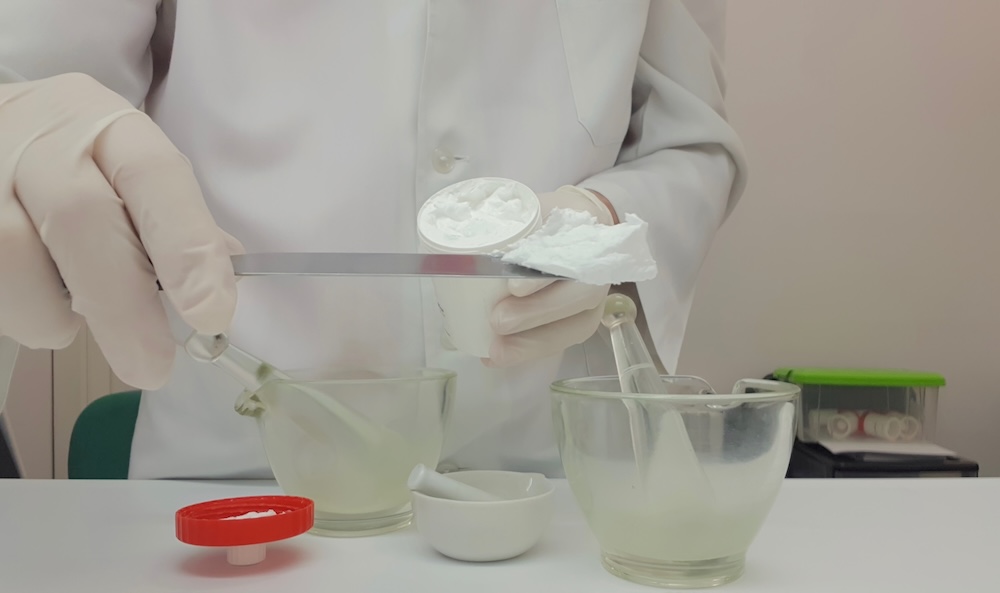
The base of a compounded cream is as important as the active ingredients. Pharmacies can customize the vehicle to enhance penetration, reduce irritation, and match skin type and surgical location. Depending on clinical goals, options include creams, gels, ointments or transdermal bases.
When Compounded Post-Surgical Creams Are Most Helpful
Compounded post-surgical creams can be used for a wide range of procedures where symptom relief is important. Flexibility in formulation allows clinicians to personalize treatment based on surgical type and individual recovery factors. These formulations are commonly used after the following events.
- Orthopedic Procedures
- Cosmetic and Plastic Surgery
- Dermatologic Surgeries
- General or Abdominal Surgeries
- Nerve-Involved Procedures
They can be introduced early in recovery and adjusted over time as pain and inflammation decrease.
Safety Guidance for Compounded Post-Surgical Creams
Clinicians should keep the following safety and application considerations in mind when prescribing compounded post-surgical creams.
- Clearly define application areas and frequency.
- Avoid application to open or non-healed incisions unless directed.
- Monitor for skin sensitivity or irritation.
- Reassess formulation needs as healing progresses.
Working with an experienced compounding pharmacy ensures proper formulation, chemical stability, and helpful patient education.
How Compounded Creams Improve Healing After Surgery
Post-surgical recovery is highly individual, and comfort does play a critical role in healing outcomes. Compounded medication creams offer clinicians a flexible, targeted option to address pain, inflammation, bruising, nerve discomfort and scar formation—without the burden of additional systemic medications.
When thoughtfully prescribed and properly compounded, these creams can significantly improve the post-operative experience and support a smoother recovery. All compounded medications should be used under the guidance of a qualified healthcare professional.
Talk to Our Johns Creek Pharmacy About Compounded Creams
Eli Pharmacy is a trusted compounding pharmacy in Johns Creek, GA that provides customized creams to support post-surgical healing. We create effective formulations that help reduce pain and inflammation. Call (678) 835-9997 or contact us for compounded creams.