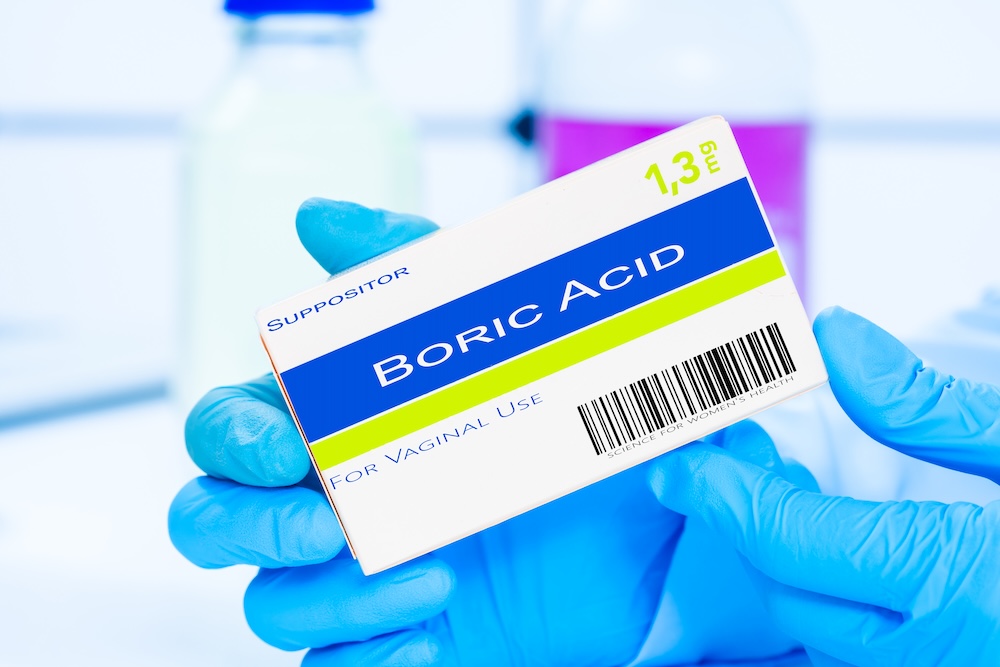
Boric acid suppositories have been used in women’s health for over a century, yet they remain one of the most misunderstood and underutilized remedies available. Using compounding pharmacy services makes it possible to access treatments like this in the exact dose and formulation your body needs. Still, many women have never heard of them—until they find themselves in a cycle of recurring bacterial vaginosis or stubborn yeast infections that will not respond to standard treatments. If that sounds familiar you are not alone, and treatment with boric acid suppositories may be the remedy your provider has not yet explored.
At Eli Pharmacy, we compound boric acid suppositories to pharmaceutical standards and work with patients and providers to incorporate them into comprehensive vaginal health protocols. Here’s what you need to know.
What Are Boric Acid Suppositories and How Do They Work
Boric acid is a naturally occurring compound derived from boron, a mineral found in soil and water. When used intravaginally as a suppository, it primarily works by restoring and maintaining the vaginal pH at its natural acidic range of 3.8–4.5.
An acidic environment is essential as it supports the dominance of beneficial Lactobacillus bacteria and creates conditions inhospitable to the pathogens responsible for common vaginal infections.
Boric acid also has direct antifungal and antibacterial properties. It disrupts the biofilm, the protective coating that organisms like Candida glabrata use to shield themselves from antifungal medications.
This is precisely why boric acid succeeds where conventional treatments often fail. It not only kills organisms, it dismantles the defenses that make them resistant in the first place.
Boric Acid Suppositories for Recurring Bacterial Vaginosis
Bacterial vaginosis is the most common vaginal condition in women of reproductive age. It is characterized by an overgrowth of anaerobic bacteria (most notably Gardnerella vaginalis) that displaces the healthy Lactobacillus-dominant microbiome.
Symptoms include a thin gray or white discharge, vaginal irritation, and a characteristic “fishy” odor, especially after intercourse. Also, many women have BV without any symptoms at all.
Standard treatment with oral or topical metronidazole or clindamycin is effective acutely, but recurrence rates are high, with up to 50% of women experiencing a return of BV within 6 months of treatment. The high recurrence rate is because antibiotics themselves do not address the underlying pH imbalance that allowed BV to develop in the first place.
This is where boric acid plays a powerful role. Used as an adjunct to antibiotic treatment or as a maintenance therapy following treatment, boric acid suppositories help restore and sustain the acidic vaginal environment to prevent pathogenic bacteria from becoming re-established.
Clinical studies support their use in reducing BV recurrence, and many providers now include boric acid as a standard part of BV management protocols for patients with recurrent episodes.
Why Yeast Infection Symptoms Keep Coming Back
Most vaginal yeast infections are caused by Candida albicans and respond well to standard azole antifungals like fluconazole or clotrimazole. However, an increasing number of women are dealing with infections caused by non-albicans Candida species, particularly Candida glabrata, which are naturally resistant to conventional antifungal medications.
For these women, over-the-counter treatments and even prescription fluconazole simply do not work. Boric acid is considered a first-line alternative treatment for non-albicans Candida infections, with clinical cure rates of 70% or higher in studies of azole-resistant cases.
The CDC’s own guidelines acknowledge boric acid intravaginal suppositories as an effective option for recurrent or resistant vaginal candidiasis.
For women who have tried every over-the-counter product out there without lasting relief, a boric acid protocol prescribed by their provider and compounded by our pharmacy may finally provide the resolution they’ve been looking for.
How Vaginal pH Balance May Support Urinary Health
Boric acid suppositories are not a direct treatment for UTIs (urinary tract infections), as these bladder or urinary tract infections require the appropriate antibiotics. However, boric acid suppositories do play an important supporting role in women who experience recurrent UTIs linked to vaginal dysbiosis.
The vaginal microbiome and urinary health are closely connected. An imbalanced vaginal environment can serve as a reservoir for uropathogenic bacteria like E. coli, increasing the likelihood of recurrent urinary infections. Addressing the connection between vaginal and urinary health is an important part of how compounding pharmacies support UTI prevention and healing.
By maintaining a healthy vaginal pH and microbial balance, boric acid suppositories can be part of a broader strategy to reduce the frequency of UTI recurrence. Always consult your provider, as boric acid addresses the vaginal environment, and not the active infection itself.
Why Vaginal pH Balance Matters for Women’s Health
Beyond treating active infections, boric acid suppositories are increasingly used as a maintenance supplement for women who are prone to pH disruptions. Hormonal changes during menopause cause a significant rise in vaginal pH as estrogen levels drop, leading to vaginal atrophy, dryness and increased susceptibility to infections.
Women on hormonal contraceptives, those who experience pH shifts after intercourse, or those who simply struggle to maintain a stable vaginal environment can benefit from periodic use of boric acid suppositories as part of a proactive vaginal wellness routine, always under the guidance of a healthcare provider.
How to Use Boric Acid Suppositories Safely
Boric acid suppositories are safe for vaginal use when used correctly at the recommended dose of 600mg. There are, however, important safety considerations that every patient should understand. We can discuss these factors during a medication consultation and counseling session at our pharmacy.
For Vaginal Use Only – Boric acid is toxic if swallowed. Suppositories must never be taken orally, and must be kept away from children.
Not for Use During Pregnancy – Boric acid is contraindicated during pregnancy. Women who are pregnant or trying to conceive should not use boric acid suppositories.
Temporary Mild Side Effects – Some women experience a mild, watery discharge, slight burning or minor irritation, particularly during initial use. These typically resolve with continued treatment.
Use With a Prescription or Clinical Guidance – While boric acid suppositories are available over the counter, we strongly recommend working with your provider to confirm the underlying diagnosis before starting treatment. An accurate diagnosis allows for the correct treatment to be prescribed, whether that’s boric acid suppositories or another remedy.
Why Choose Compounded Boric Acid From Eli Pharmacy
Understand that not all boric acid suppositories are the same. Commercial products vary widely in capsule quality, filler ingredients, and the actual concentration of boric acid. At Eli Pharmacy, our suppositories are compounded using pharmaceutical-grade boric acid at the clinically studied 600mg dose. The delivery vehicle is a gelatin capsule designed for optimal vaginal absorption.
We can also work with your provider to create combination formulations. For example, we may combine boric acid with a probiotic component, or adjust the formulation for patients with specific sensitivities. Our pharmacists are available to answer your questions and help coordinate care with your provider.
Talk to Us About Boric Acid Suppositories in Johns Creek, GA
If you are dealing with recurring BV, stubborn yeast infections or ongoing vaginal health concerns, talk to your provider about boric acid, and talk to us about compounding it right. Contact Eli Pharmacy today or call (678) 835-9997 to learn more, or to fill a prescription.