If you’ve spent any time in functional medicine or wellness circles lately, you’ve probably heard the name BPC-157 come up. Much of that attention ties back to recent changes in what compounding pharmacy services are legally able to provide. And if you’re wondering what this substance is, whether or not it actually works, and why it’s suddenly generating so much attention, you’re in the right place.
What Is BPC-157?
BPC-157 stands for Body Protection Compound-157. It’s a synthetic peptide (a short chain of amino acids) derived from a protein naturally found in gastric juice. Researchers have been studying it for decades, primarily for its remarkable ability to support healing and tissue repair throughout the body.
Unlike wellness trends that burst onto the scene without much science behind them, BPC-157 is backed by a meaningful body of research, primarily in animal studies, that show effects on muscle repair, tendon healing, gut health, nerve regeneration and inflammation reduction.
What Are People Using BPC-157 For?
Patients and clinicians are exploring BPC-157 for various applications.
- Injury Recovery – Particularly for tendons, ligaments and muscles that are slow to heal.
- Gut Health – BPC-157 has shown promise in supporting gut lining repair, which is relevant for conditions like leaky gut, IBS and inflammatory bowel issues.
- Joint Pain and Inflammation – An alternative or complement to traditional pain management.
- Post-Surgical Recovery – Supports faster and more complete healing.
- Neurological Support – Early research points to potential neuroprotective effects.
Why Is BPC-157 in the News Right Now?
The FDA’s Pharmacy Compounding Advisory Committee (PCAC) met on July 23–24, 2026 to evaluate several peptides, including BPC-157, for possible inclusion on the 503A Bulk Drug Substances List. This list determines which substances that licensed compounding pharmacies can legally use to formulate medications. If you’re not familiar with how compounding pharmacies work, check out our guide on what makes 503A and 503B pharmacies different.
BPC-157 was previously restricted under the FDA’s Category 2 list, which flagged substances with safety concerns. In April 2026 it was removed from the restricted list, a significant development that signals a shift in how regulators are viewing this compound. The July 2026 PCAC meeting was a major milestone in determining its future availability through compounding pharmacies.
For patients who have benefited from BPC-157 or are interested in exploring it, this is news worth following.
How Is BPC-157 Administered?
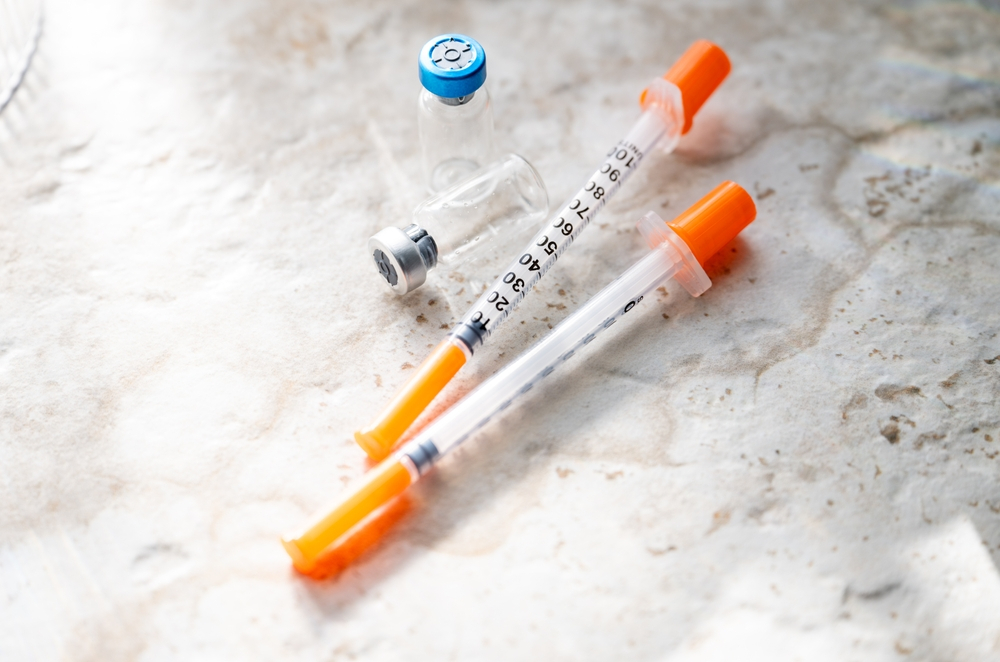
BPC-157 is most commonly administered as a subcutaneous injection, though oral and nasal spray formulations also exist. When compounded by a licensed pharmacy like Eli Pharmacy, it’s prepared under strict sterile conditions to ensure purity, potency and safety.
Is BPC-157 Right for You?
That’s a question for your healthcare provider, not a Google search or social media post. BPC-157 is a prescription compound, and determining whether it’s appropriate for your situation requires a clinical evaluation of your health history, goals, and current health status. When it appears to be a good option, a licensed Johns Creek compounding pharmacy can formulate it to your exact specifications.
What we can tell you is that the interest in BPC-157 is not hype for hype’s sake. The science is real, the clinical applications are meaningful, and the regulatory momentum is moving in a positive direction.
Johns Creek, GA Compounding Pharmacy for Peptide Therapy
Interested in learning more about BPC-157 or peptide therapy? Talk to your provider and ask them to reach out to Eli Pharmacy in Johns Creek. We’re here to answer clinical questions and support your care. Call us at (678) 835-9997 or contact our pharmacy today.