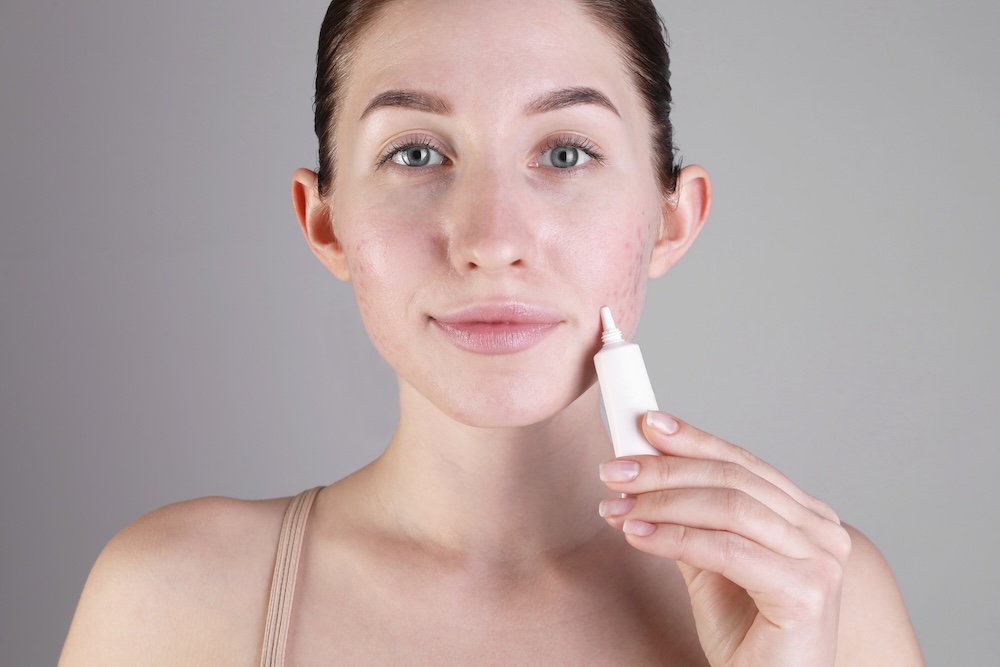
Acne is one of the most common dermatologic conditions seen in clinical practice, and many patients respond well to standard treatments like topical retinoids, benzoyl peroxide and oral antibiotics. However, there’s a significant subset of people—especially those with sensitive skin, hormonal acne or treatment resistance—that benefit from formulations prepared by a trusted compounding pharmacy. Using a compounded formulation offers personalization, tolerability and targeted multi-mechanism therapy.
6 Effective Compounded Acne Therapies
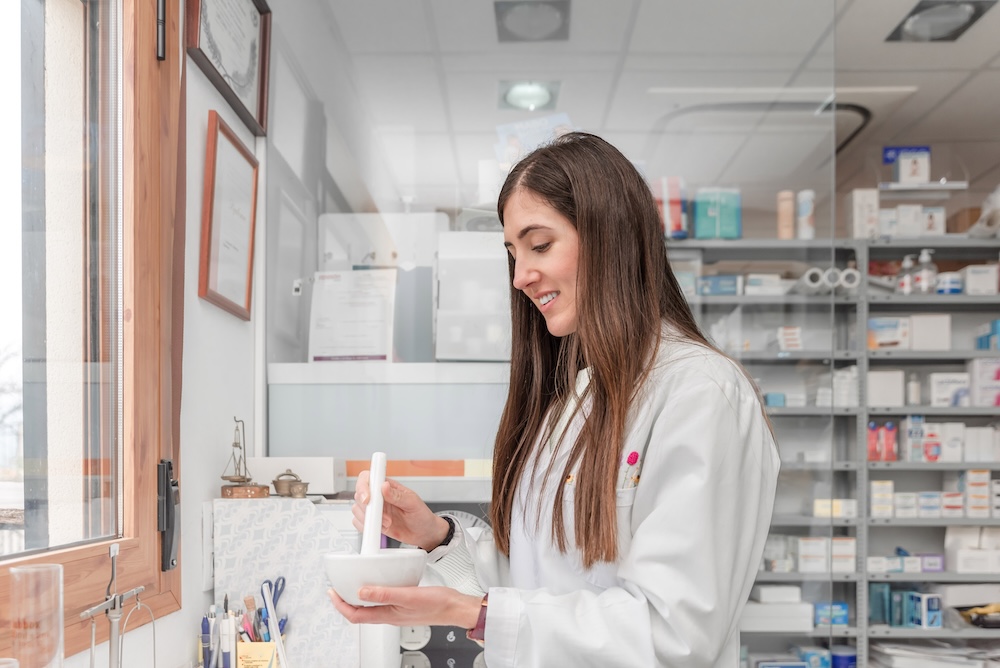
As clinicians increasingly seek tailored approaches, compounding pharmacies can play a valuable role in developing custom acne solutions. Here’s a practical overview of some of the most effective compounded acne therapies that are worth considering.
1. Customized Combination Topicals
Standard acne regimens combine multiple mechanisms, but fixed-formula commercial products simply aren’t right for every patient. Compounding allows clinicians to adjust strengths and combinations, including the following options.
- Tretinoin (Retinoid) – Improves desquamation and comedonal acne.
- Clindamycin or Erythromycin – Reduces bacterial load.
- Azelaic Acid or Metronidazole – Provides anti-inflammatory and antimicrobial support.
Benefits of compounding combinations include lower concentrations to improve tolerability, fewer products to simplify adhering to a dosing schedule, and drug delivery systems tailored to skin type (using gels or creams, for example). These are ideal for patients with mixed acne types or those who experience irritation with fixed-dose medications.
2. Azelaic Acid High-Strength Formulations
Azelaic acid is effective for both acne and post-inflammatory hyperpigmentation, plus it has antibacterial and anti-keratinizing properties. Standard products typically max out at 15–20%, but compounding pharmacies can prepare higher-strength azelaic acid gels, creams or customized combinations with niacinamide.
Azelaic acid is particularly well-suited for patients with sensitive skin, those with concomitant hyperpigmentation, and those who cannot tolerate benzoyl peroxide.
3. Custom Benzoyl Peroxide Formulations
Benzoyl peroxide (BPO) remains a cornerstone of acne therapy due to its bactericidal action. However, issues with dryness and irritation often limit patient use.
Compounding allows lower-strength BPO (1–5%), combinations with soothing bases or emollients, and alternative delivery options such as lotion or gel.
One clinical advantage may be reduced irritation, which often improves adherence without sacrificing efficacy.
4. Compounded Topical Antibiotics Beyond Standard Options
While clindamycin and erythromycin are commonly used, compounding pharmacies can prepare alternative or supplementary options, such as the following.
- Dapsone gel in customized strengths (e.g., 5% or compounded blends).
- Minocycline topical formulations are supported by emerging evidence for treating inflammatory lesions while minimizing systemic exposure.
These compounded antibiotics may offer benefits in patients with antibiotic intolerance, or those who desire reduced systemic exposure.
5. Hormonal & Anti-Inflammatory Adjuncts
Topical spironolactone formulations have shown promise as an anti-inflammatory and androgen-modulating option in female patients with hormonal acne, especially when systemic therapy raises concerns.
Including niacinamide, azelaic acid or other antioxidants in compounded bases can reduce inflammation and sebum production while improving skin barrier function.
6. Tailored Delivery Systems
Not all acne medications are equally well-tolerated in every patient. Compounding pharmacies can alter the way the medication is delivered to fit individual patient needs. Drug delivery system examples include the following.
- Hydrating creams for dry, sensitive skin.
- Lightweight gels for oily/acne-prone skin.
- Alcohol-free bases for sensitive or rosacea-prone patients.
- Perfume-free, preservative-free options for allergy-prone individuals.
The ability to customize the way the medication is delivered reduces irritation, enhances tolerability, and often improves outcomes.
When to Consider Compounded Acne Therapies
Compounded medications are especially useful for patients who meet one or more of the following criteria.
- Cannot tolerate commercially available products due to irritation.
- Have allergies or sensitivities to fragrances, preservatives or specific excipients.
- Require multiple active ingredients in a simplified regimen.
- Have atypical acne presentations or require off-label but evidence-supported treatments.
- Are non-responsive to standard monotherapies.
Safety and best practices are important when using compounded therapies. Clinicians should follow several key considerations to ensure appropriate use and patient outcomes. Best practices include the following.
- Partner with reputable, licensed compounding pharmacies.
- Review ingredient safety profiles and check for potential interactions.
- Counsel patients on realistic expectations and proper application.
- Monitor for irritation, allergy, and clinical response.
Compounding is not a replacement for evidence-based acne management, but an enhancement tool that supports personalization when standard options fall short.
When to Consider Compounded Acne Therapies
Acne is multifactorial and often requires nuanced care. Compounded medications allow clinicians to tailor therapies to the individual, and this improves tolerability, simplifies regimens, and addresses multiple pathophysiologic contributors.
When standard acne treatments are insufficient or poorly tolerated, compounded options can be part of a more broad approach to care, including personalized acne treatments from a compounding pharmacy.
Contact Our Compounding Pharmacy for Acne Care
Collaborating with experienced compounding pharmacists ensures that formulations are appropriate, high-quality, and aligned with clinical goals. If you’d like formulation ideas, dosing ranges, or patient handouts to support your acne practice, give us a call at (678) 835-9997, or contact us with questions today.